
DAC & AOC Interconnects: 10G to 800G Low-Latency Solutions
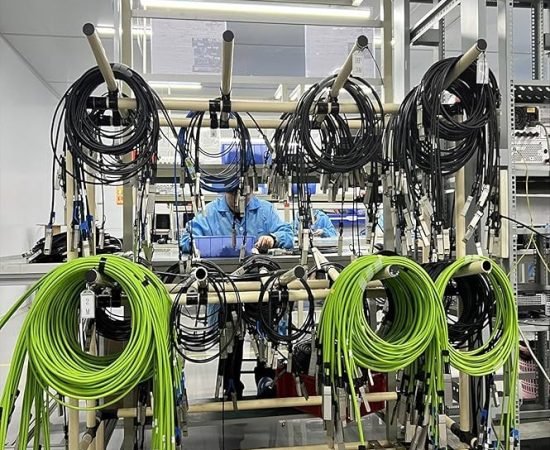
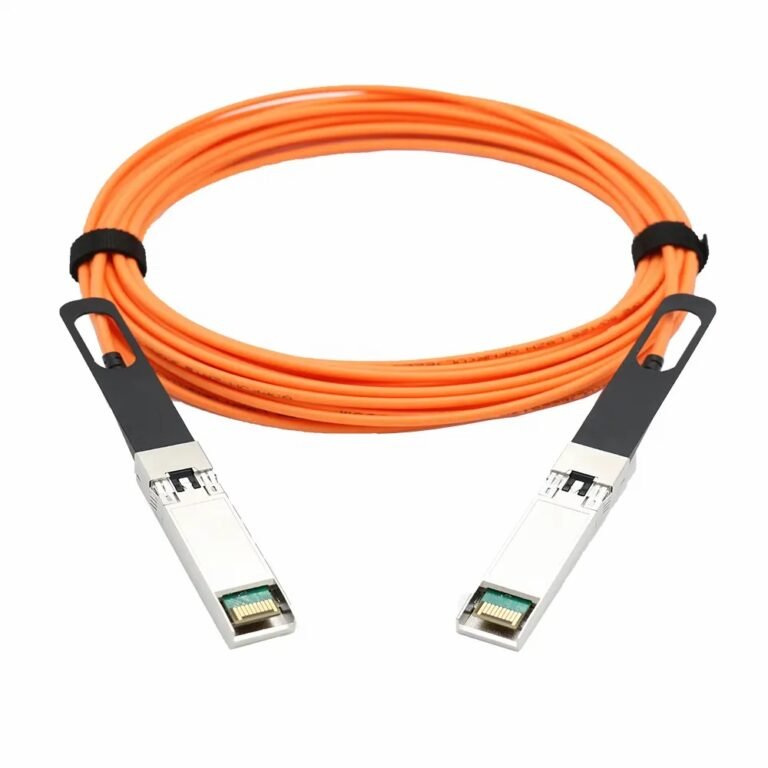
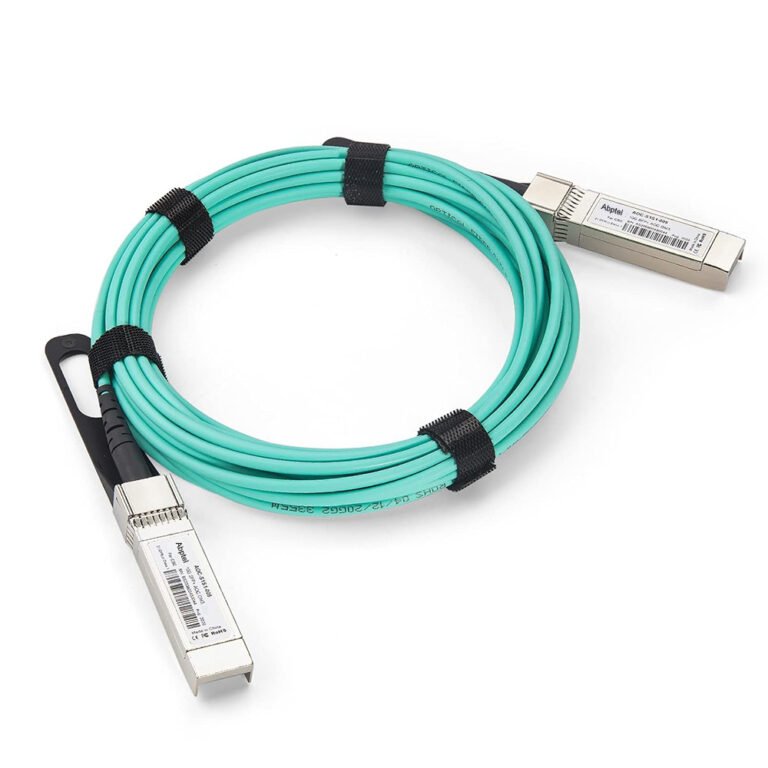
ABPTEL manufactures the industry’s most reliable Direct Attach Cables (DAC) and Active Optical Cables (AOC) for high-performance computing (HPC). Engineered for Top-of-Rack (ToR) switching, our cables offer ultra-low latency (<0.1µs) for financial trading and AI clusters.
We solve the #1 headache in data centers: Cross-Platform Compatibility. Our custom coding service allows you to connect a Cisco switch to an Intel NIC (or Arista to Dell) with a single cable—guaranteed plug-and-play.
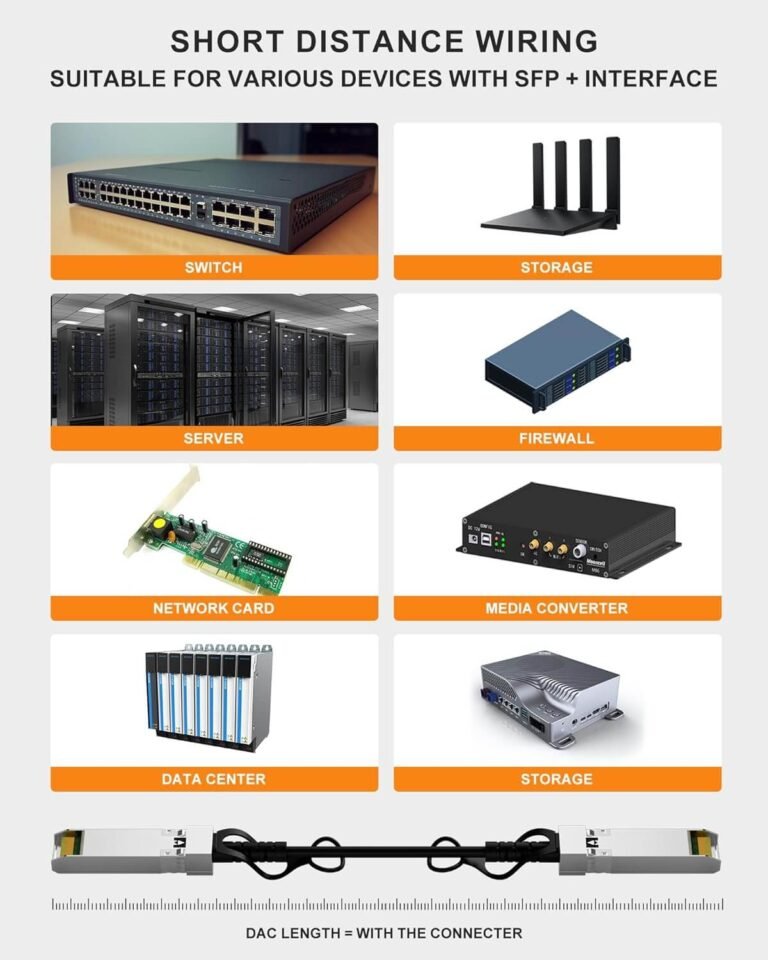
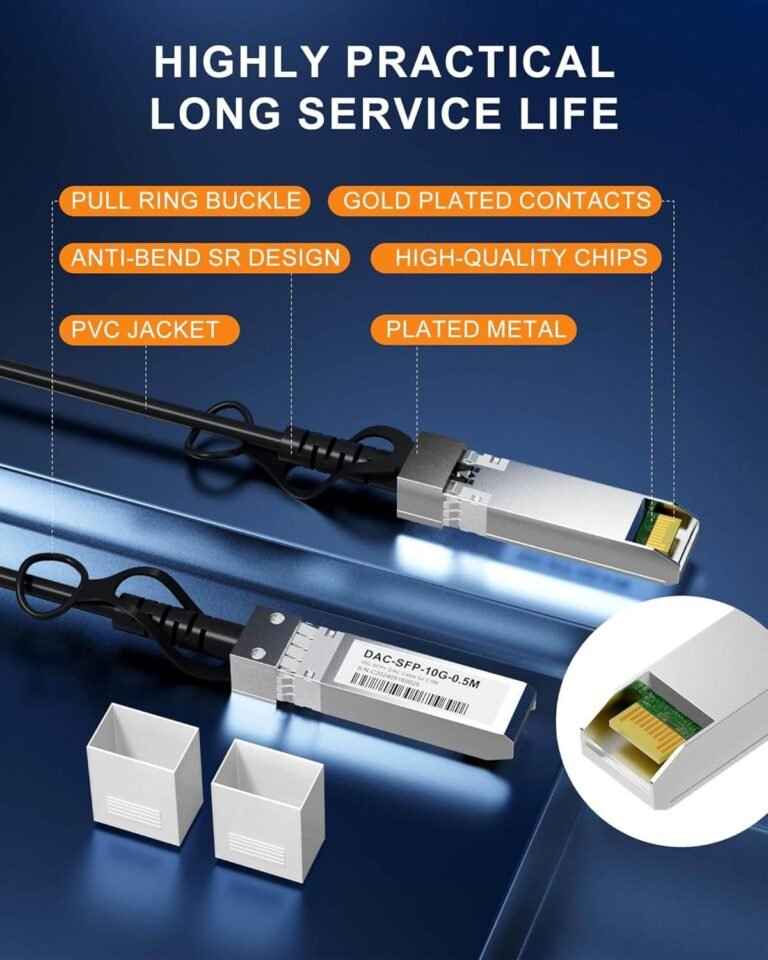
Passive Copper (DAC)
Best For: Rack distances (< 3m). Why Buy:
Zero Power: Uses 0W power. Coolest running option.
MTBF: 500 Million Hours (No lasers to burn out).
💡 Pro Tip: For dense racks, choose our 30AWG (Thin) version for easier cable management.
Active Optical (AOC)
Best For: Rack-to-Rack (< 100m). Why Buy:
Lightweight: 70% lighter than copper. Reduces strain on switch ports.
Airflow: Thinner cable diameter improves cooling efficiency.
💡 Pro Tip: Ideal for EoR (End of Row) architectures where copper signal fades.
400G/100G Breakouts
Best For: Splitting High-Speed Ports. Why Buy:
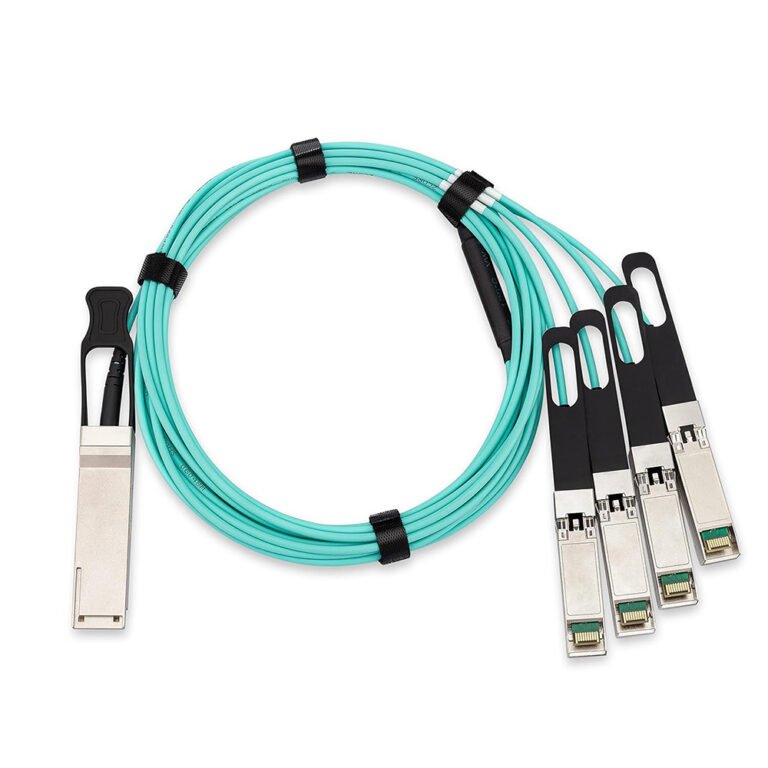
Maximize Port Density: Turn 1x 400G OSFP port into 4x 100G QSFP56 server links.
Cost Saver: Cheaper than using 4 separate transceivers.
💡 Pro Tip: Available in both DAC (Short) and AOC (Long) versions.
Why Do Data Centers Trust ABPTEL Cables?
- ✔Dual-End Custom Coding (The Killer Feature)
Most generic cables fail when connecting mixed brands. We program Side A as Cisco and Side B as Mellanox/Intel to ensure handshake protocols pass instantly on both ends. - ✔Signal Integrity Lab Tested
We use VNA (Vector Network Analyzers) to test Insertion Loss and Crosstalk margins. Our 800G cables are tested for PAM4 signal eye-diagram compliance.

Interfaces
SFP+, SFP28, QSFP+, QSFP28, QSFP-DD, OSFP
AWG Options
30AWG (Thin), 28AWG (Std), 26AWG (Long)
Speed
10G, 25G, 40G, 100G, 200G, 400G, 800G
Compliance
LSZH (Euro), OFNP (USA Plenum), PVC
Active Optical Cables Advantages
Used extensively in Ethernet hyperscale and enterprise data centers, AOCs have become a popular way to link Top-of-Rack (ToR) switches to aggregation layer switches, much like End-of-Row (EoR) and leaf switches. Several hyperscale companies have publicly stated their preference for AOCs when linking ToR switches. AOCs are an extremely popular solution for high-speed, NVMe FLASH subsystems.
Lower Optical Power Cost
- QSFP28 SR4 optical transceiver = 3.5 W
- QSFP28 AOC < 2.2 W
One watt saved at the component level translates to up to five watts at the facility level
Smaller circumference
Thinner, lighter, and tighter bend radius cables enable more flexible configurations (200-250mm or < 1 inch).
Increased Reliability
Factory assembly and testing limitations address cabling, compatibility, and power draw.
Lower Operational Cost
Plug and play simplicity reduces time spent inspecting and cleaning connections and cable components.
EMI immunity
AOC optical fiber uses light signals, making the AOC immune to electromagnetic interference and electrical static charge.
AOC/DAC Cable Types
10G SFP+ AOC Cable
10G SFP+ to SFP to AOC
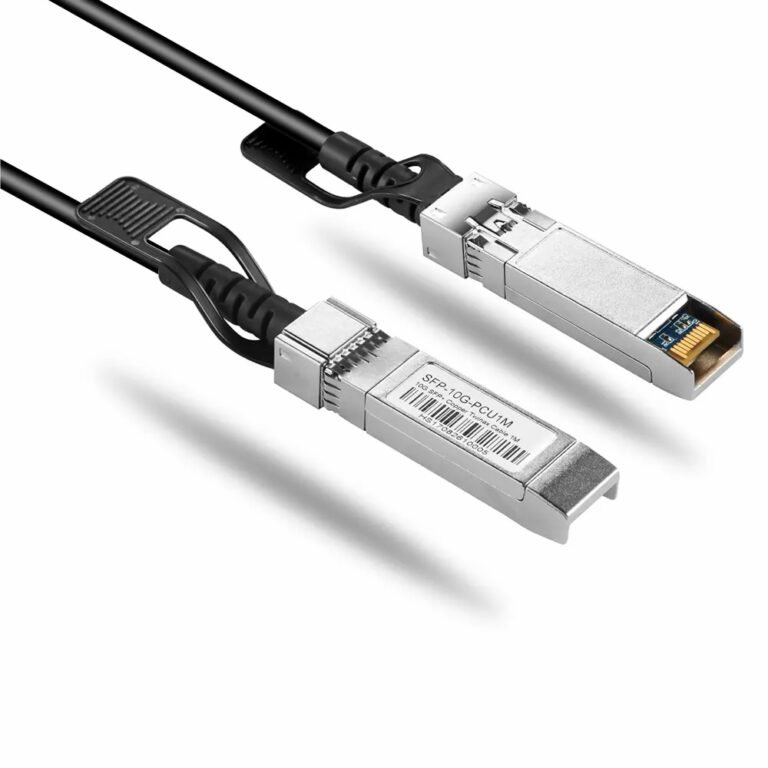
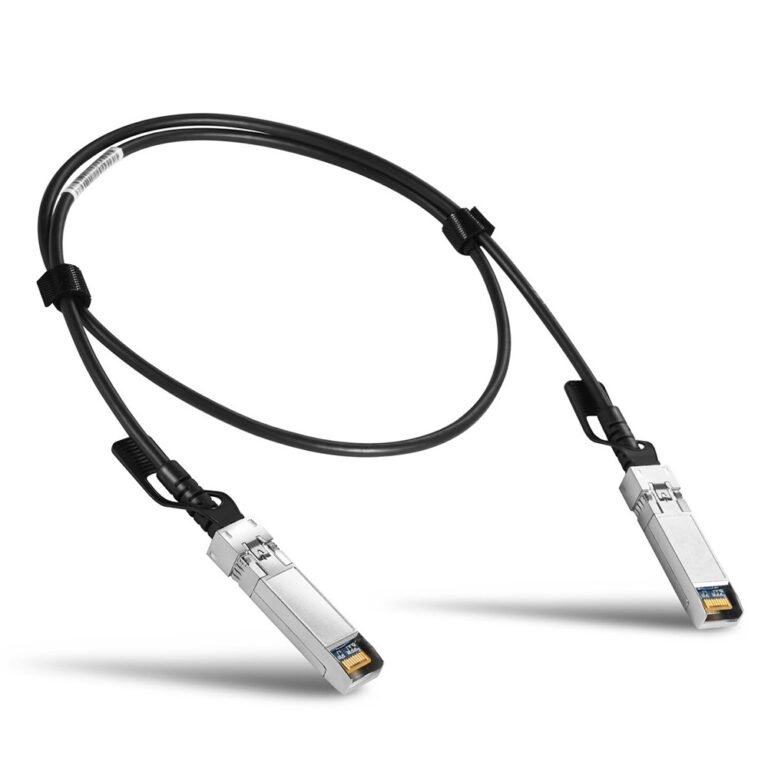
10G SFP+ DAC Cable
10G SFP+ DAC Twinax Cable
AOC/DAC Cable FEATURES
Features of AOC (Active Optical Cable) and DAC (Direct Attach Copper Cable).
High-Speed Transmission
AOC cables use photoelectric conversion technology to achieve high-speed data transmission, with rates reaching or exceeding 100 Gbps, offering higher bandwidth compared to traditional copper cables or fiber optics.
Long-Distance Transmission
AOC cables transmit data via fiber optics without electronic signal attenuation, allowing for data transmission over long distances, typically over 100 meters.
Strong Anti-Interference
Due to the use of optical transmission technology, AOC cables have anti-electromagnetic interference characteristics, making them suitable for high-interference environments.
Low Latency
DAC cables offer high transmission rates and low latency, making them suitable for scenarios requiring real-time performance.
Stable and Reliable
Since DAC cables transmit signals through copper conductors, they do not suffer from optical attenuation issues that affect AOC cables, providing more stable and reliable performance.
Cost-Effective
Compared to AOC cables, DAC cables are less expensive, making them suitable for budget-constrained or short-distance transmission applications.
AOC/DAC Cable Applications
AOC (Active Optical Cable) and DAC (Direct Attach Copper Cable) cables have distinct applications across various industries due to their unique characteristics. Here are some of the primary applications for each type of cable:
1.Data Centers
2.High-Density Connectivity
3.Carrier Networks
4.5G Infrastructure
5.Office Connectivity
6.Factory Floor

FAQ
Q1: What is the difference between Active and Passive DAC?
Passive DAC has no electronics inside and relies on the switch’s signal strength (max 5m). Active DAC (ACC) has a signal booster chip inside (Redriver) to extend copper reach up to 7-9m, useful for 400G links.
Q2: Does ABPTEL support 3rd party coding like Arista or Juniper?
Yes. We have a massive database of EEPROM codes. When you order, simply tell us your switch model (e.g., “Connecting Arista 7050 to Dell R740”), and we will code the cable specifically for that link.
Q3: Why choose AOC over Transceivers + Fiber Patch Cord?
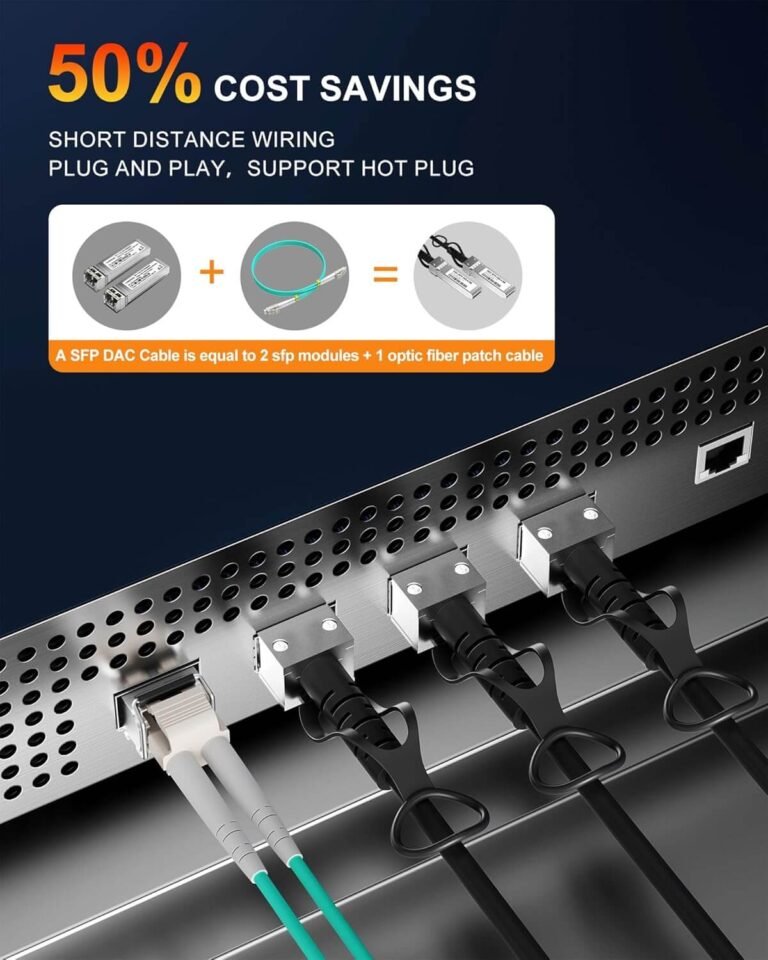
Cost and Cleanliness. An AOC is a “closed system”—the fiber is permanently attached inside the connector. You never have to clean the fiber end-face, eliminating the #1 cause of link failure (dust). Plus, it’s typically 30-40% cheaper than buying 2 modules and a cable separately.