
Optical Transceivers for Data Center and Telecom Networks
Access & 5G Fronthaul
For: Enterprise Switches & Cell Towers. Modules: 10G SFP+, 25G SFP28 (Industrial).
💡 Engineer’s Insight: For outdoor 5G base stations, always select our Industrial Grade (-40°C to +85°C) optics to prevent link failure during extreme weather.
Data Center Spine-Leaf
For: Cloud Computing & Virtualization. Modules: 40G QSFP+, 100G QSFP28.
💡 Engineer’s Insight: Using QSFP28 SR4? Don’t forget MTP/MPO trunk cables. For distances >100m, switch to CWDM4 to save fiber costs (runs on duplex LC).
AI & HPC Training
NVIDIA DGX / H100 Clusters. Modules: 400G QSFP-DD, high-speed optical links (PAM4).
💡 Engineer’s Insight: Product selection and coding requirements should be confirmed against the device model and project specification.
SFP Modules
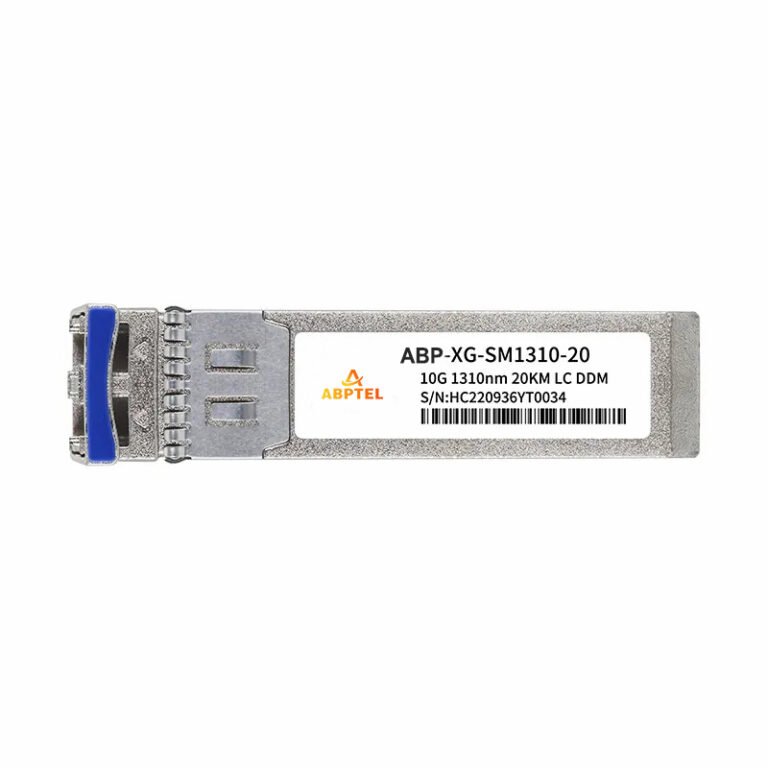
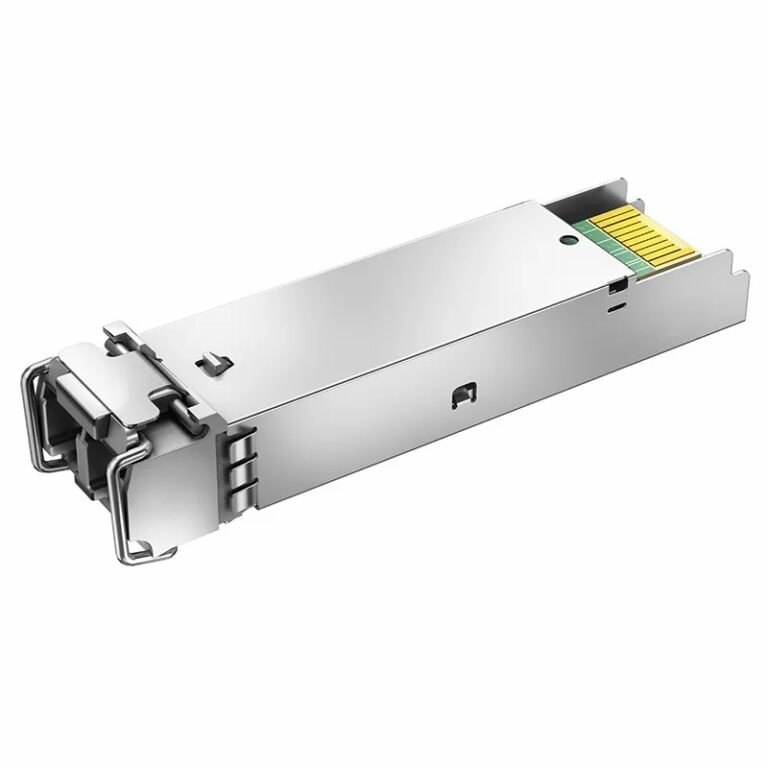
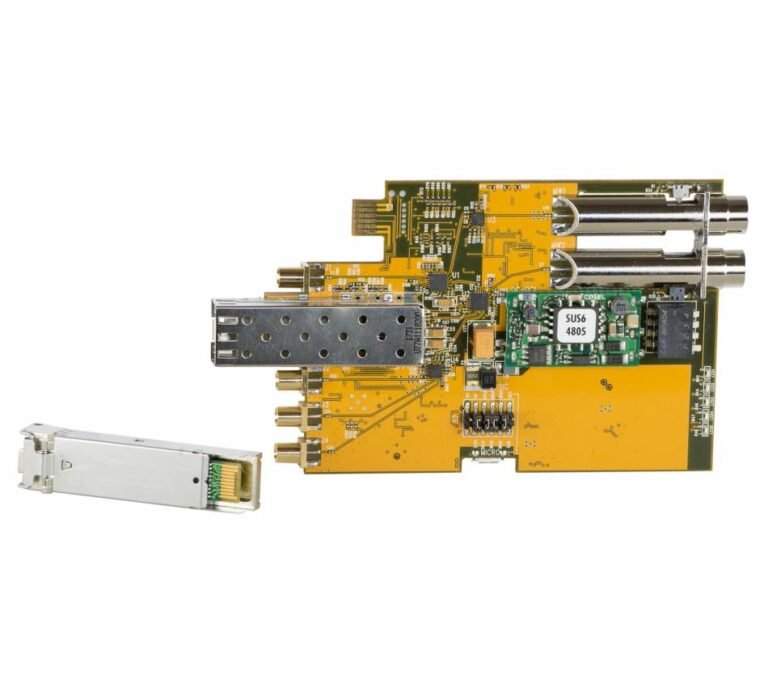
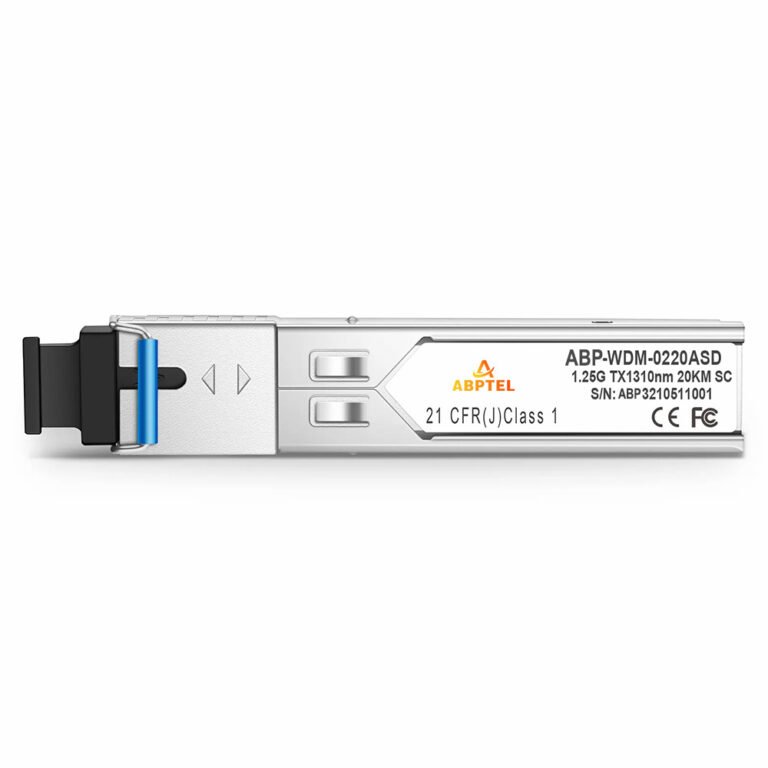
Full Range
SFP, SFP+, SFP28, QSFP+, QSFP28, QSFP-DD, OSFP
Reach
Copper (30m) to ZR (120km) Coherent Optics
Robustness
Comm (0~70°C), Ext (-20~85°C), Ind (-40~85°C)
Promise
Product specifications, compatibility and commercial terms are confirmed by part number and project requirement.
Why CTOs Trust ABPTEL Coding?
- ✔The “Real Switch” Test: We don’t just simulate. We test on physical Cisco Nexus, Arista EOS, and Juniper MX switches in our Shenzhen Compatibility Lab.
- ✔Precision EEPROM Coding: Custom coding for specialized platforms (e.g., Meraki, Extreme, Mellanox) ensures 100% Plug-and-Play recognition.
- ✔Zero Packet Loss: All modules undergo a 24-hour traffic loading test (RFC 2544 standard) before shipping.

Active Optical Cables Advantages
Used extensively in Ethernet hyperscale and enterprise data centers, AOCs have become a popular way to link Top-of-Rack (ToR) switches to aggregation layer switches, much like End-of-Row (EoR) and leaf switches. Several hyperscale companies have publicly stated their preference for AOCs when linking ToR switches. AOCs are an extremely popular solution for high-speed, NVMe FLASH subsystems.
Lower Optical Power Cost
- QSFP28 SR4 optical transceiver = 3.5 W
- QSFP28 AOC < 2.2 W
One watt saved at the component level translates to up to five watts at the facility level
Smaller circumference
Thinner, lighter, and tighter bend radius cables enable more flexible configurations (200-250mm or < 1 inch).
Increased Reliability
Factory assembly and testing limitations address cabling, compatibility, and power draw.
Lower Operational Cost
Plug and play simplicity reduces time spent inspecting and cleaning connections and cable components.
EMI immunity
AOC optical fiber uses light signals, making the AOC immune to electromagnetic interference and electrical static charge.
SFP Modules
10G SFP+ to RJ-45 Transceiver
1.25Gb sfp transceiver module
1.25G SFP WDM SC Bidi Transceiver
1.25G Single-Mode Fiber SC Simplex Connector
SFP Modules Features
SFP (Small Form-Factor Pluggable) modules are compact, hot-swappable transceivers used for both telecommunication and data communication applications.Here are some key features of SFP modules:
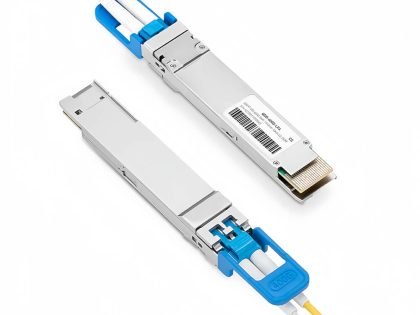
Hot-Swappable
One of the most significant advantages is that they can be inserted or removed while the system is powered on without causing disruption to the network traffic. This feature simplifies maintenance and upgrades.
High Data Rates
SFP modules support various data rates ranging from 155 Mbps (SFP) up to 40 Gbps (QSFP+) or even higher with newer technologies like QSFP28 which supports up to 100 Gbps.
Multiple Transceiver Options
They come in various types to suit different transmission needs, including copper (for short distances), multimode fiber (MMF), single-mode fiber (SMF), and direct attach cables (DAC).
Compact Size
As the name suggests, SFP modules are small in size, making them ideal for use in space-constrained environments like data centers.
Interoperability
SFP modules adhere to industry standards (e.g., SFF-8074i), ensuring compatibility across different manufacturers' equipment. This promotes flexibility and reduces vendor lock-in.
Diagnostic Capabilities
Many modern SFP modules include digital diagnostic monitoring features that provide real-time information about module status, temperature, laser bias current, and more. This helps in proactive maintenance and troubleshooting.
SFP Modules Applications
SFP (Small Form-Factor Pluggable) modules, due to their high flexibility, scalability, and performance, are widely used in various fields. Here are some of the main application areas:
1.Data Center Networks
2.Enterprise Local Area Networks (LANs)
3.Wide Area Network (WAN) Connections
4.Wireless Base Station Interconnectivity
5.Industrial Automation Control:
6.Security Surveillance Systems
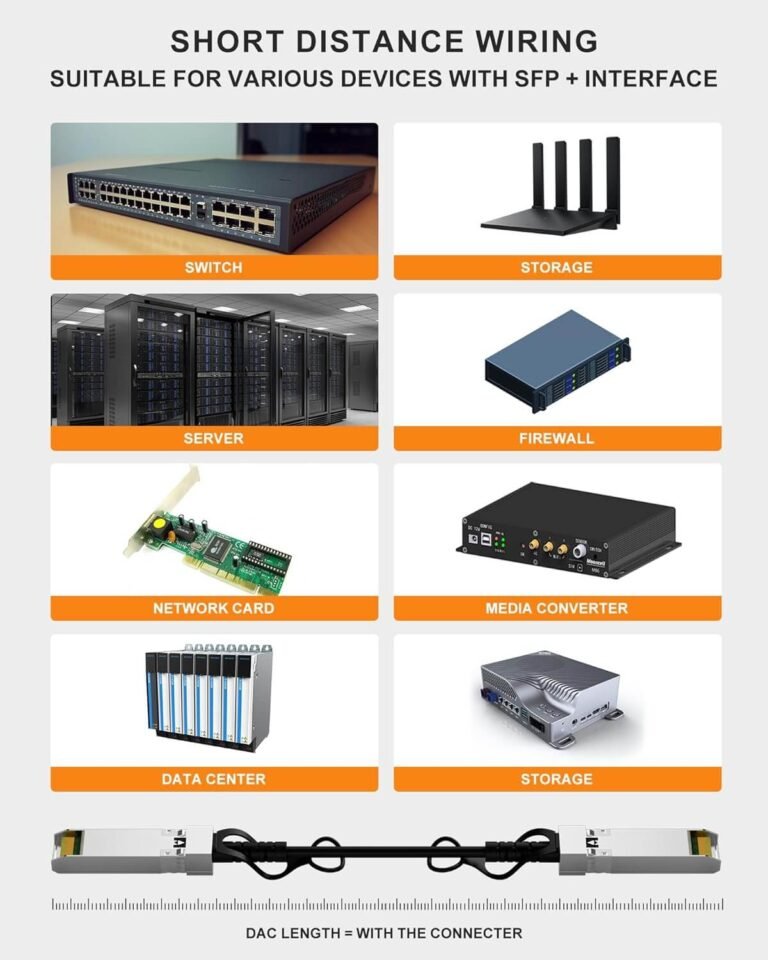

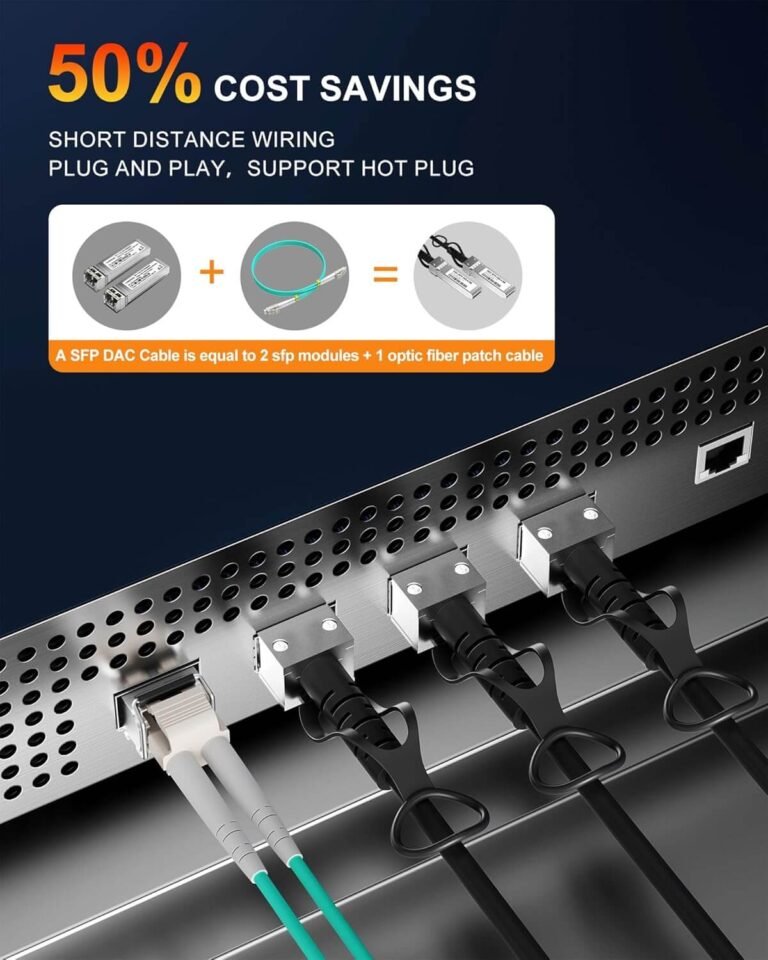
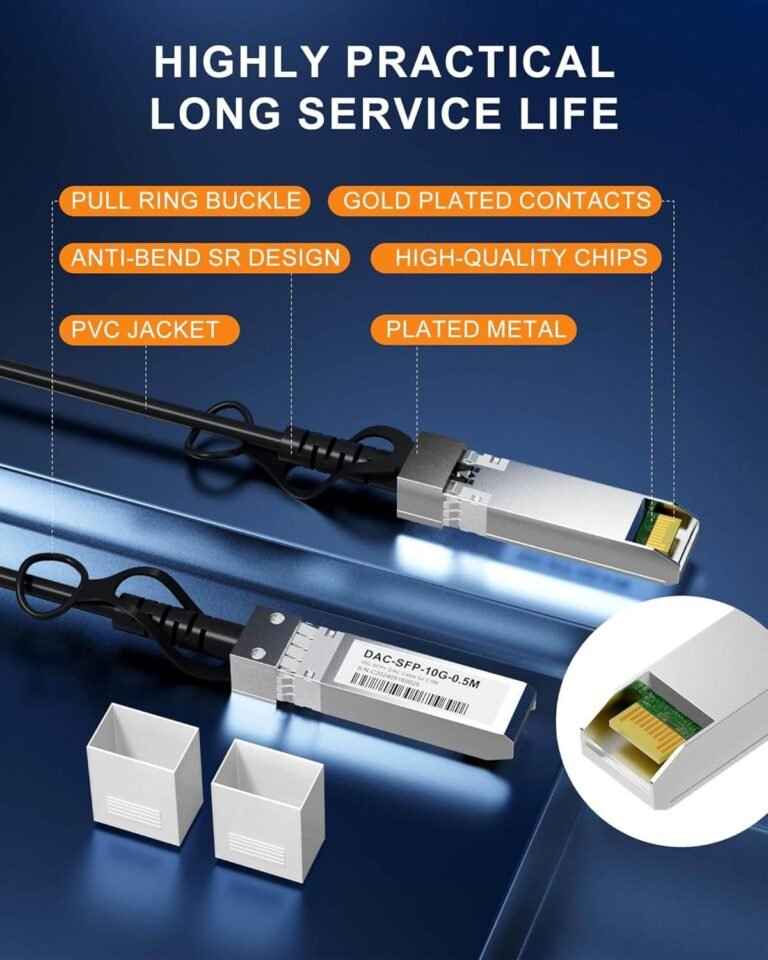
Is ABPTEL compatible with Cisco/Arista switches?
Yes. ABPTEL transceivers are MSA-compliant and coded specifically to match the EEPROM requirements of major brands like Cisco, Arista, Juniper, and Dell. They function identically to OEM optics but at a fraction of the cost.
What is the difference between SFP+ and SFP28?
SFP+ supports speeds up to 10Gbps (10G Ethernet), while SFP28 supports up to 25Gbps (25G Ethernet). They share the same form factor, meaning an SFP28 slot can often accept SFP+ modules (backward compatibility), but not vice-versa for speed.
Do you offer industrial temperature modules?
Absolutely. For outdoor deployments like ISP base stations or unconditioned warehouses, we offer Industrial Grade modules rated for -40°C to +85°C operation.