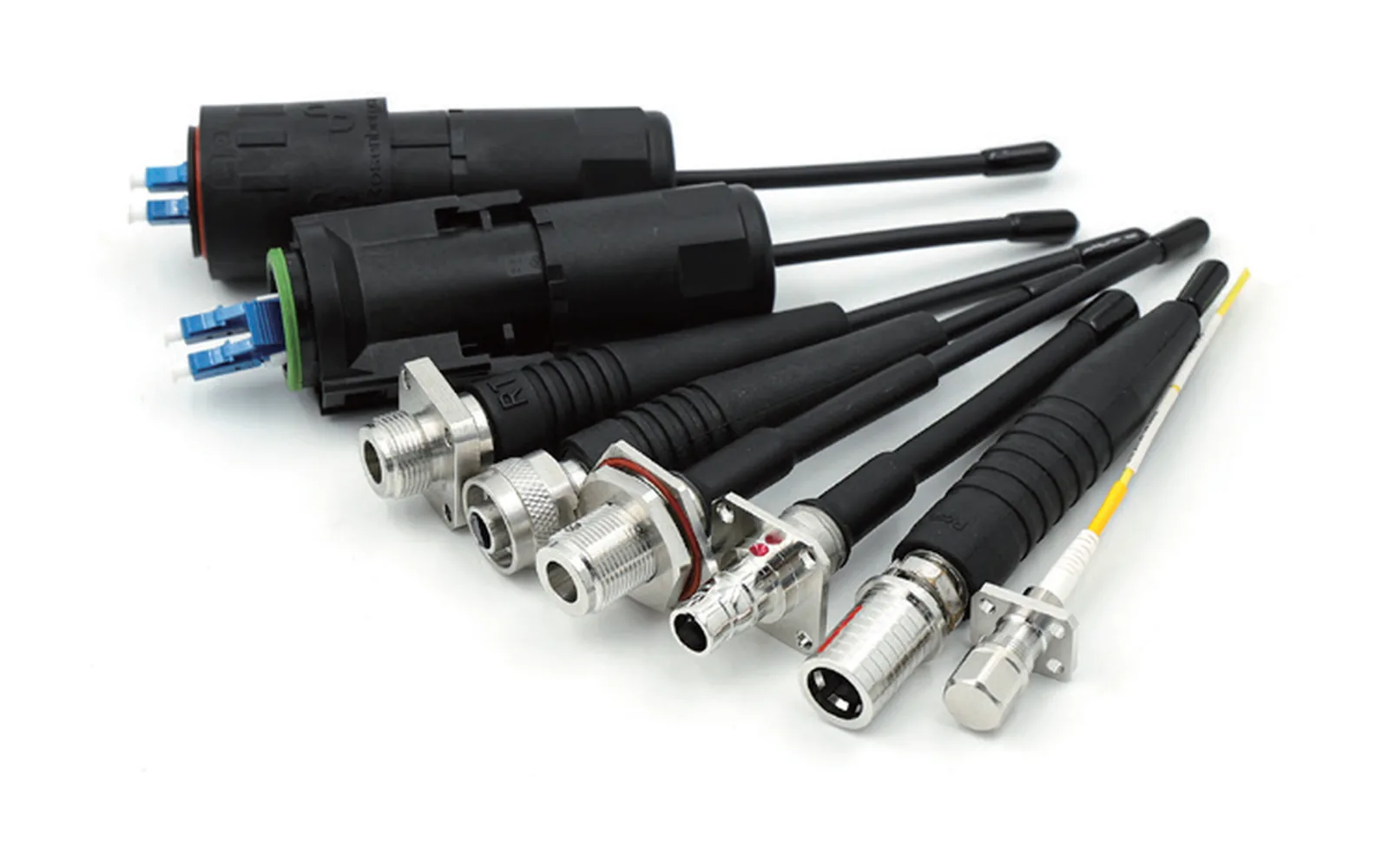
Description
Looking for Rosenberger RFE?
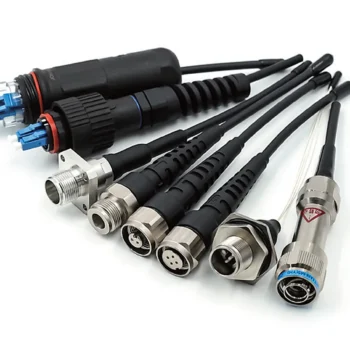
You found it. This ABPTEL assembly is a Direct Replacement for the classic Rosenberger RFE (Fiber Extender) interface.
It is engineered to be 100% Intermateable with RFE sockets found on Ericsson / Nokia base station equipment and distribution boxes.
📊 Technical Data: RFE Compatible
| Feature | Specification |
|---|---|
| Connector Interface | RFE Type (Circular Screw Lock) |
| Fiber Count | 2 Cores (Duplex LC inside) |
| Operating Temp | -40°C to +85°C |
| Mating Durability | > 500 Cycles |
| Cable Material | LSZH (UV Resistant Black) / TPU (Optional) |
🏗️ Ideal For
Base Station Maintenance
Replace damaged OEM jumpers at a fraction of the cost.
New FTTA Rollout
Reliable IP67 connection for tower-top Remote Radio Units (RRU).
⚠️ Visual Check:
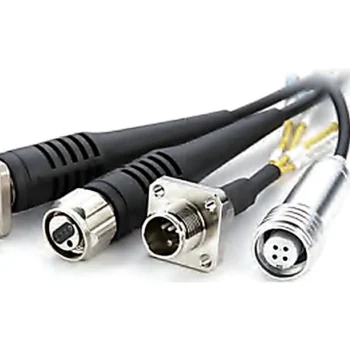
This connector has a Large Circular Body (approx 20-25mm diameter) with a screw nut.
(If you need the smaller “bullet-style” connector, that is Q-RMC. Please contact us for Q-RMC.)
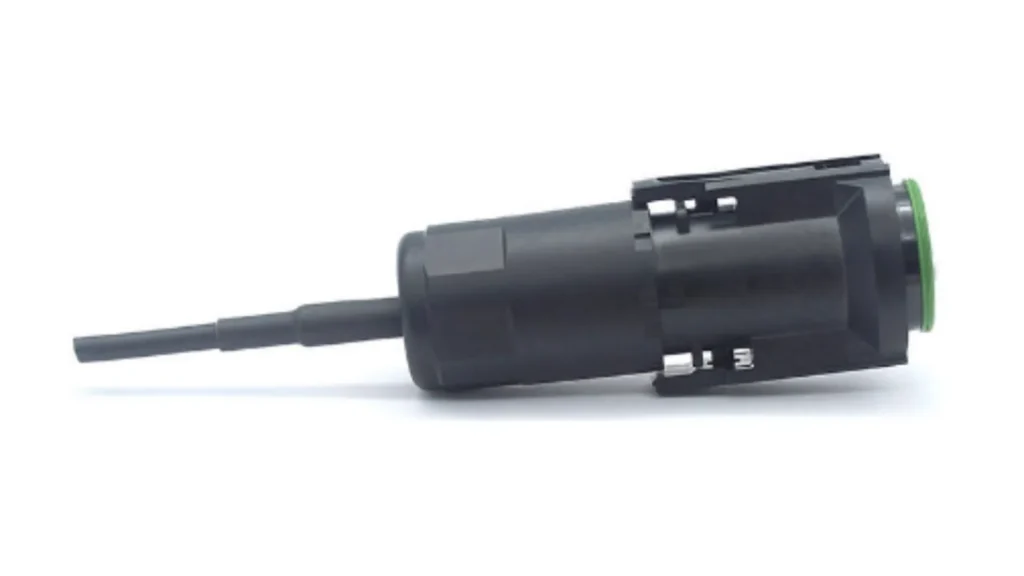
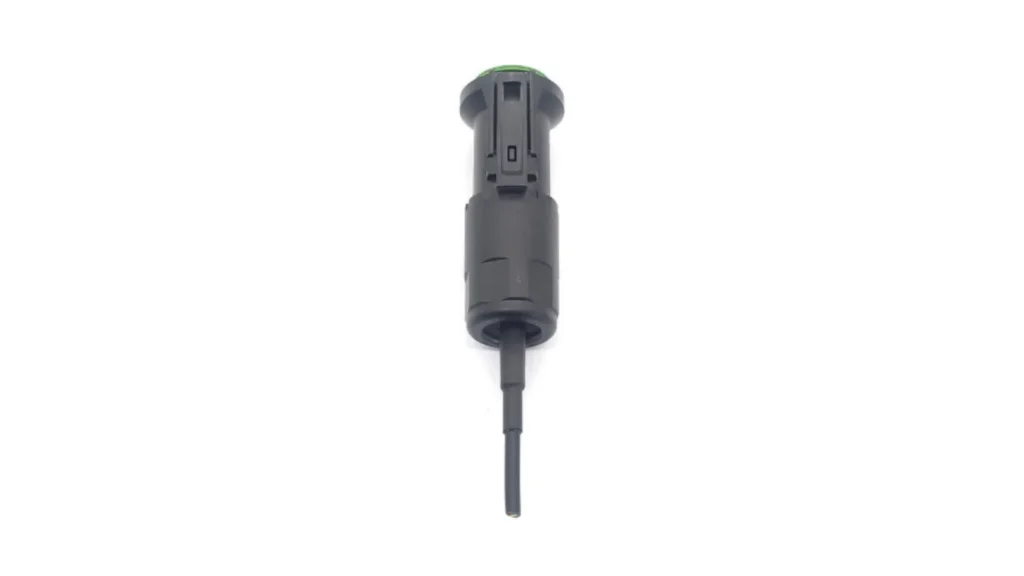
Product Introduction
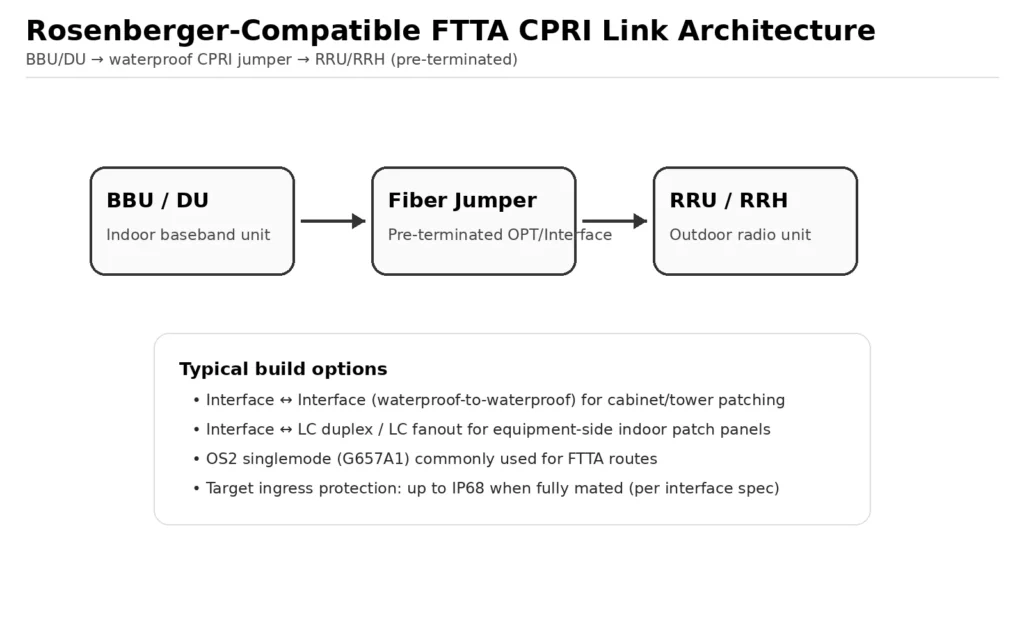
- Built for FTTA CPRI links between BBU/DU and outdoor RRU/RRH in 4G/5G sites
- Reduces “wrong interface” risk with clear connector-family options and assembly drawings
- Pre-terminated & factory tested, target up to IP68 when fully mated (per interface spec)
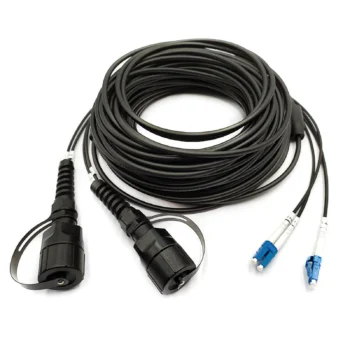
ABPTEL Rosenberger-compatible waterproof CPRI patch cords are designed for outdoor FTTA deployments where connector mis-match and ingress protection are the most common field risks. The interface uses a hardened coupling design with sealing features for dust/water protection, while the cable side can be built as interface↔interface for tower/cabinet patching or interface↔LC duplex / LC fanout for indoor patch panels and equipment ports. Default fiber is OS2 singlemode (G657A1) to support tight routing and reliable bend performance. Every assembly is end-face inspected and insertion-loss tested before shipment.
Core Technical Bullets
- Connector family: Rosenberger-compatible hardened FTTA interface (plug / socket / adapter options)
- Typical assemblies: Interface↔Interface, Interface↔LC duplex, Interface↔LC fanout
- Fiber type (default): OS2 singlemode G657A1 (G652D optional)
- Endface (default): LC/UPC (LC/APC optional); fanout available on request
- Core count: 2-core / 4-core / MT multi-fiber options
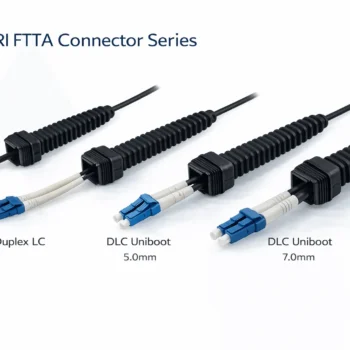
- Cable OD: project-dependent (commonly 5.0 / 7.0 mm class; confirm per build)
- Jacket: LSZH / TPU / PE options based on site environment
- Ingress protection target: up to IP68 when fully mated (per interface design)
- QC & report: IL/RL test, end-face inspection; test report available
- Customization: length, labeling, breakout length, tubing, packaging, dust caps
Structure & How It Works
- The hardened interface uses a mechanical coupling + sealing concept to protect the optical contact area in outdoor exposure.
- Strain relief + outer jacket are selected to withstand repeated handling during tower/cabinet maintenance.
- For indoor side integration, LC duplex / LC fanout tails allow direct connection to patch panels, SFP/QSFP breakouts, or test ports.
- To avoid field mating issues, confirm connector family + keying + plug/socket type before ordering (see RFQ checklist below).
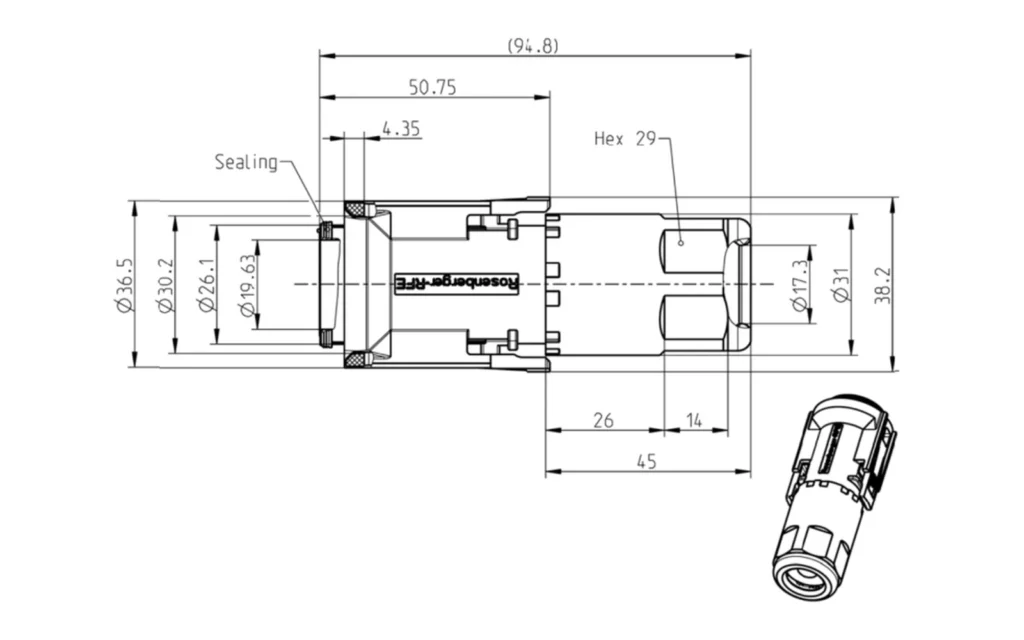
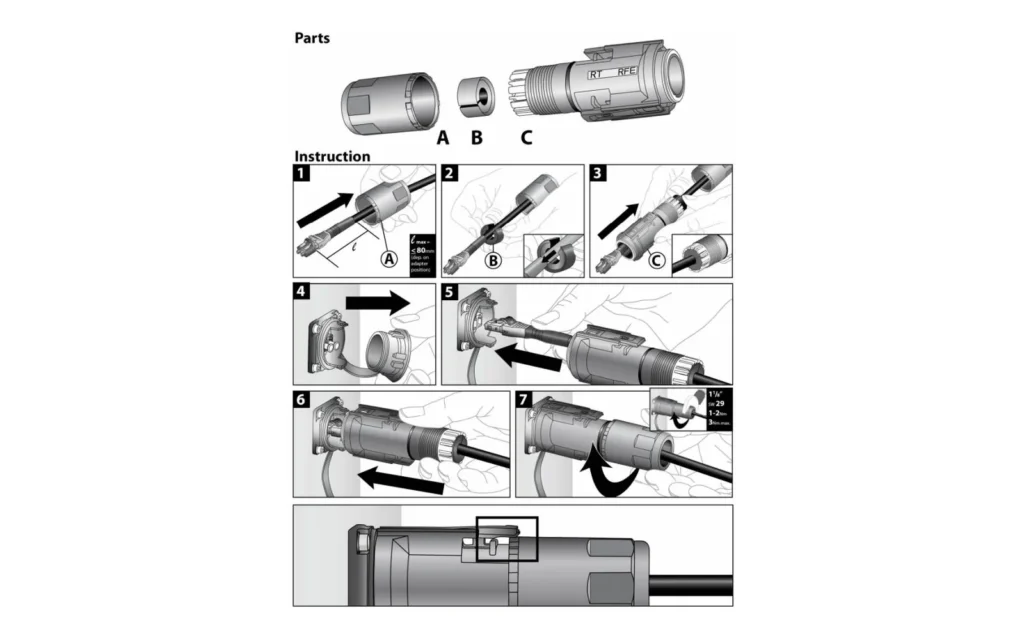
Compatibility
Compatible with FTTA equipment ecosystems commonly used in the field, including:
- Ericsson
- Nokia
- Huawei
- ZTE
(Interface compatibility depends on the exact connector family and keying—ABPTEL can provide a sample for physical verification.)
FAQ
- How do I confirm this will mate with my existing Rosenberger interface?
Send a photo of your plug/socket and the connector family name (or drawing). We can confirm keying and provide a mating sample. - What is the default fiber and why?
Default is OS2 G657A1, commonly selected for FTTA routing with tighter bends and stable performance. - Do you offer interface↔LC fanout assemblies?
Yes. We can build interface↔LC duplex or interface↔LC fanout with defined breakout length and labeling. - Is it IP68?
Target up to IP68 when fully mated. Actual protection depends on correct mating, caps, and installation conditions. - 2-core vs 4-core vs MT—how to choose?
2-core is typical CPRI duplex; 4-core is used for spare/parallel links; MT is for high-density multi-fiber architectures—choose per your RRU/box design. - What cable jacket should I choose for outdoor sites?
TPU for abrasion/flex, PE for outdoor durability; LSZH for indoor/fire-regulated areas. - What test reports can you provide?
Insertion loss (IL), return loss (RL) where applicable, end-face inspection photos, and assembly records. - Can you supply the adapter / panel socket as well?
Yes, connector accessories (adapters/sockets, caps) can be supplied as part of the BOM. - What are typical lengths and tolerances?
Common FTTA jumpers vary by site. Provide your routing length; we will confirm tolerance and labeling. - Lead time and MOQ?
Depends on connector family and quantity. We support samples and small batches for verification-first projects.
Not sure which interface you need? Read the selection guide